
You might even start to have a negative view of your life and the world as a whole. You might live in a constant state of anxiety and fearfulness, worrying that you are unsafe or that the event or something similar could happen again. It can be difficult to relax or let your guard down, and you may be easily startled. You may avoid people, places, or things that remind you of the event. Get in touch with a member of our team today to learn how we can support you in your recovery, or learn more about our program.
- Withdrawing from these interactions can lead to increased feelings of loneliness and reinforce negative beliefs about the world and oneself.
- Talk to a VA or other healthcare provider to discuss choices for getting started.
- This may cause an increase in the amount of alcohol consumed, creating a cycle of self-medication.
- Some evidence shows that veterans who have experienced PTSD tend to develop AUD, perhaps reflecting the self-medication hypothesis.
Women are more likely to experience trauma in the form of sexual assault or childhood trauma. When a person with PTSD doesn’t get quality sleep, it can worsen symptoms like flashbacks and nightmares. Alcohol-induced sleep disruption can, therefore, increase the likelihood of experiencing traumatic memories during the night or in waking moments. When a person with PTSD drinks, it can put the brain in a vulnerable state where suppressed traumatic memories rise to the surface.
Health & Wellness in Recovery
Educating oneself about PTSD and its management is an empowering strategy. Understanding the nature of the condition, its triggers, and effective coping mechanisms can help individuals feel more in control of their symptoms. This knowledge can also help in recognizing early signs of symptom exacerbation and taking proactive steps to address them. While internal psychological factors play a significant role in PTSD, external circumstances can also greatly influence the severity of symptoms.
Alcohol and Its Effects on the Brain

The first step is to talk with a healthcare provider and ask for more information about treatment options. Each VA Medical Center has an SUD-PTSD Specialist trained in treating both conditions to reach the best health outcomes. If there are signs you are at risk for both conditions, you will be encouraged to talk with a healthcare provider about how to best support your recovery. VA wants you to have the best possible care for co-occurring PTSD and SUD.
One on one therapy
Seeking treatment for a substance use disorder and PTSD have increased at least 300 percent in recent years. Women are more likely than men to report symptoms of AUD and experience traumatic events, particularly domestic violence, sexual abuse, and sexual assault. Women with PTSD are more likely to use alcohol after a traumatic experience, while men are more likely to use other substances. When drug or alcohol use reaches the level of addiction, it is called substance use disorder (SUD). People with both disorders (PTSD and SUD) also have a higher risk of depression, anxiety, and suicide.
The Link Between PTSD and GERD
It should not be used in place of the advice of your physician or other qualified healthcare provider. It should not be used in place of the advice of your physician or other qualified healthcare providers. The self-medication hypothesis posits that individuals suffering from PTSD often resort to drugs or alcohol as a means to mitigate their distressing symptoms. This behavior establishes a vicious cycle; while substances may provide temporary relief from anxiety or intrusive thoughts, they ultimately exacerbate PTSD symptoms over time.
Specialized Treatments & Detox
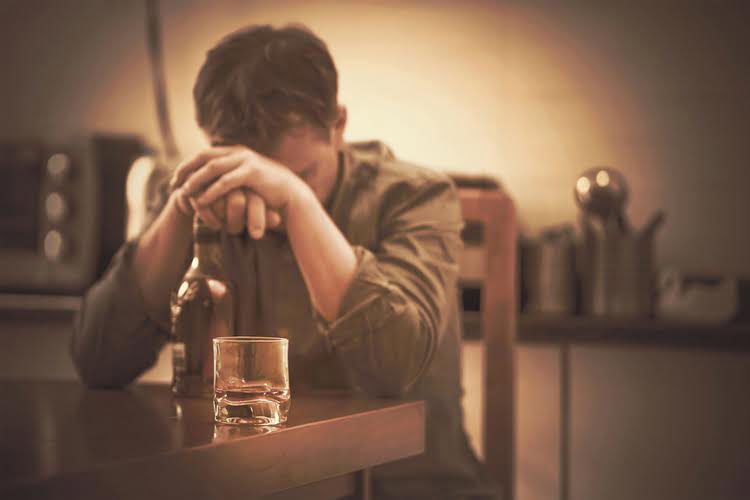
A person might use alcohol to avoid thinking about the traumatic event, withdraw from relationships, Twelve-step program or have difficulty functioning in daily life due to emotional instability and substance use. If these issues persist, it’s essential to consider seeking professional help. The evidence suggests that there is no distinct pattern of development for the two disorders.
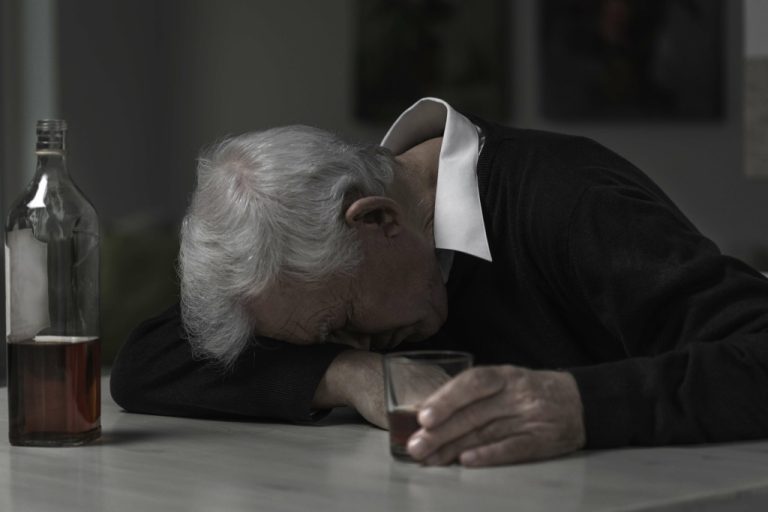
- Without facing these triggers head-on through healthy coping mechanisms like counseling or exposure therapy, recovery stalls.
- The toll of PTSD and substance use is heavy for individuals and society, but there are good treatments for both disorders.
- Some of us like to drink to relax, chill out, or unwind, while others enjoy having a glass or two of wine with a meal or a beer while socializing.
- The co-occurrence of these disorders can lead to heightened risk for other psychiatric problems such as depression and anxiety, impaired vocational and social functioning, and poor treatment outcomes.
Individuals do not have to be combatants to develop combat-related PTSD. The most significant factors related to the development of PTSD are the frequency, intensity, and duration of trauma exposure. The majority of military personnel cope extremely well with exposure to multiple, sometimes even hundreds of traumatic events that occur during their deployment. This is usually because they are well trained for their deployments, and they are prepared for exposure to certain types of trauma. Unfortunately, even the best military training cannot prepare people for the unexpected or for the gruesome horrors that can occur in a war zone.
The strong correlation suggests that individuals with PTSD are 14 times more likely to develop an SUD compared to those without PTSD. The bidirectional nature of this relationship means each condition can aggravate the other, making effective treatment more challenging. Talking about traumatic events can be https://youthplusnews.com/after-work-substance-trends/ difficult and temporarily distressing, but only a small percent of people with PTSD (about 1 out of 10) actually get worse before they get better. PE is the therapy that has the most evidence to show that it works to treat PTSD.
Read more About PTSD
The statistics further unveil that men with PTSD are notably impacted, with around 51.9% showing patterns of drug addiction, while 27.9% of women with PTSD experience similar issues. Among veterans, this figure is even more striking, as up to 75% of combat veterans with PTSD also have a diagnosis of alcohol use disorder. These prevalence rates underline the extensive overlap between PTSD and SUDs, highlighting the urgency for integrated treatment approaches. There is a significant correlation between PTSD and substance abuse, particularly alcohol use.
We’re here 24/7 to help guide you or your loved on through rehab and recovery. Submit your number to receive a call today from a treatment provider. Treatment options for PTSD and AUD begin with a comprehensive assessment to determine the intensity and types of treatments that will be most beneficial. A treatment plan outlines the continuum of care, starting with the highest level and progressing down through discharge and aftercare. Researchers coined the phrase “happy hour effect” to describe how, even among casual drinkers alcohol consumption rises after, but not during, stressful situations. Based on a tension-reduction theory of alcohol usage, these findings were the ptsd and alcohol abuse polar opposite of what we predicted.